REMTON




REMTON Career Guidance Program Framework
Overall Goal
To equip students with the knowledge, skills, and exposure necessary to make informed career decisions and transition successfully into higher education or the workforce.
1. Program Structure
Target Groups
• High School Students → Career discovery, subject choices, exposure.
• University Students → Career preparation, employability, transition to work.
Core Components
• Career Awareness & Exploration
• Academic & Subject Guidance
• Skills Development (Hard & Soft Skills)
• Industry Exposure & Networking
• Transition Support (University & Workplace)
2. Program Objectives
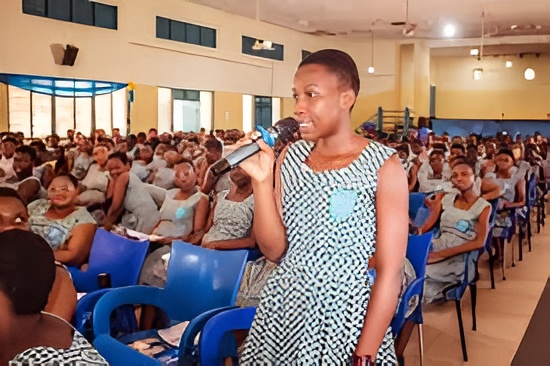
• Help students discover career interests through assessments and workshops.
• Guide students on subject/major choices linked to career pathways.
• Build employability skills (communication, teamwork, leadership, problem-solving).
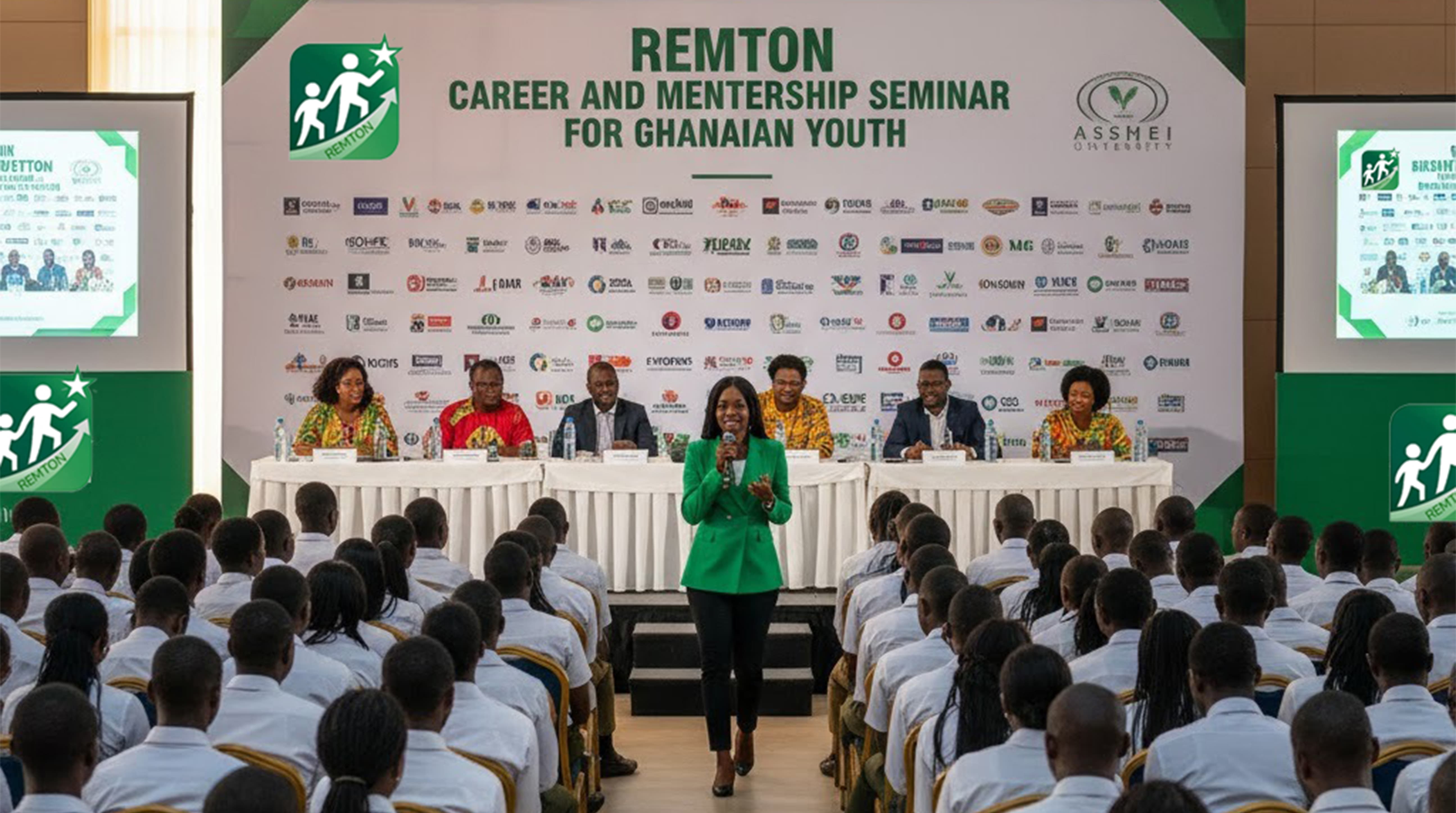
• Provide exposure to industries through fairs, shadowing, and guest speakers.
• Support smooth transitions into university, workplace, or entrepreneurship.
3. Program Activities
For High School Students
• Career interest & aptitude assessments.
• Career days (industry professionals share their journeys).
• Subject-to-career mapping workshops.
• College & scholarship guidance.
• Workplace exposure visits (companies, labs, hospitals, etc.).
For University Students
• Career counseling sessions (major/field choices).
• Internship placement & volunteering opportunities.
• Resume/CV and cover letter clinics.
• Mock job interviews and workplace etiquette training.
• Graduate school prep sessions (applications, tests).
For Both
• Annual Career Fairs & Networking events.
• Entrepreneurship workshops and innovation labs.
• Digital literacy & professional branding (LinkedIn, online portfolios).
• Financial literacy workshops (salary negotiation, taxes, budgeting).
• Alumni mentoring & professional speaker series.
4. Program Delivery Methods
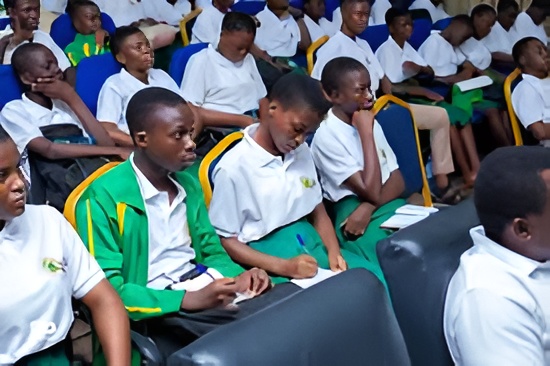
• Workshops & Seminars – monthly or quarterly themes.
• One-on-One Career Counseling – individual guidance sessions.
• Group Mentorship – peer and industry mentors.
• Online Resources – career portal, e-learning, webinars.
• Career Clubs – student-led groups with mentor supervision.
5. Sample Yearly Plan (12 Months)
Quarter 1: Discovering Careers
• January: Orientation + Career Interest Assessment
• February: Subject-to-Career Mapping (high school) / Major Selection Workshop (university)
• March: Career Awareness Seminar (guest speakers from 5 industries)
Quarter 2: Building Foundations
• April: Study & Employability Skills (teamwork, communication, critical thinking)
• May: Digital Skills Training (coding, design, data, professional branding)
• June: Financial Literacy & Entrepreneurship Basics
Quarter 3: Exposure & Preparation
• July: Workplace Visits & Job Shadowing (high school) / Internship Bootcamp (university)
• August: Resume & Cover Letter Clinics + Mock Interviews
• September: Leadership & Innovation Projects (student-led initiatives)
Quarter 4: Transition & Advancement
• October: Transition Workshops (High School → University, University → Workplace)
• November: Career Fair & Networking with Employers/Universities
• December: Reflection, Awards, & Career Progress Review
6. Roles in Program
• Career Counselor: Guides career mapping & assessments.
• Academic Mentor: Advises on subjects and majors.
• Industry Mentor: Provides real-world professional insights.
• Alumni Mentor: Shares transition experiences and advice.
7. Monitoring & Evaluation
• Pre- and post-career assessment surveys.
• Number of students placed in internships, scholarships, or jobs.
• Feedback from students, mentors, and industry partners.
• Success stories (case studies of student career growth).
8. Expected Outcomes
• Students understand their strengths, interests, and career options.
• High school students make informed subject/university choices.
• University students graduate with career readiness and networks.
• Increased student participation in internships, scholarships, and leadership roles.
• Stronger link between education, industry, and opportunity.
Reach Out to Us!